

You’ve seen the Maasai Mara. You just haven’t seen it.
You’ve seen the reel. Set to something sweeping from The Lion King. The post that teaches you how to curate your safari wardrobe. The wine picnic laid out with a herd grazing in the vista. The farm-to-table dinner that looks too composed to eat.
Don’t get me wrong. I came fully intending to write my own version of that piece. Lord knows I packed for it. I probably spent as much on every “essential” inside my brand new soft-sided luggage as I did on the trip itself. Each leg its own category, each occasion its own outfit, the whole trip sorted and labeled before I left the house. The limit was thirty-three pounds. I exceeded it. Knowingly. I’m a rule breaker, after all.
And I took the photos. Trust me, I took thousands.
But there are two sides to every story. The other half of the Mara is the one you won’t find in the brochure. The one that makes those beautiful posts even possible. This week, the lens widened, and I met the Kenya that exists behind the shiny four-by-six photos that fill the frames.
Putting these past several weeks into words feels like a task bigger than the land itself. So I’m dividing the telling the way I divide my packing cubes. Four distinct parts, each carrying the weight it deserves. This is part one. Welcome to the Africa you may not have known existed.
I arrived on an organized retreat, the Sacred Awakening Retreat. I’m honestly not a group-travel person. At all. But my daughter Elise called me the moment she saw a dear friend was hosting it. Mom, you have to go. She’d been on safari the year before, and it changed her. She wanted me to see what she saw. It had always been on my bucket list. It just wasn’t on my late husband’s. It seemed like the right time to finally do the thing I’d been waiting to do. A friend decided to come too. That sealed the deal, and I’m so grateful we made the choice to go.
Underneath all of it was Paige Elenson. Paige has lived in Kenya for the better part of two decades, responsible for the employment of countless youth through an organization she co-founded, Africa Yoga Project. A non-profit that uses yoga to educate and employ young people across Africa, so they can become leaders in their own communities. An organization I hold dear.
With her name on the itinerary, I should have known. A trip Paige touches is never the curated half. Of course the lens got wider. That’s what she does. She widens it, then asks you to look in the most introspective, beautiful and inviting way.
And here’s the part that gets me. It was all right there on the schedule. Spending time in the local environment, connected to the community, nature and purpose. I read it like a mission statement and saw it as logistics. Then, I lived it as something else entirely.
So I looked.
It’s everywhere, if you’re looking. Unless you arrive by private jet, positioned right beside a five-star camp, which is possible, and is part two of this series. But that’s not how I first arrived. My drive was long.
Nothing in the Mara is close. Every journey requires some version of an unpaved road. And the longer you travel, the more you see. The children walking to school, some without shoes. The homes of mud and thatch, of tin pressed into walls. The river, and the mile of hill between it and everywhere the water needs to go.
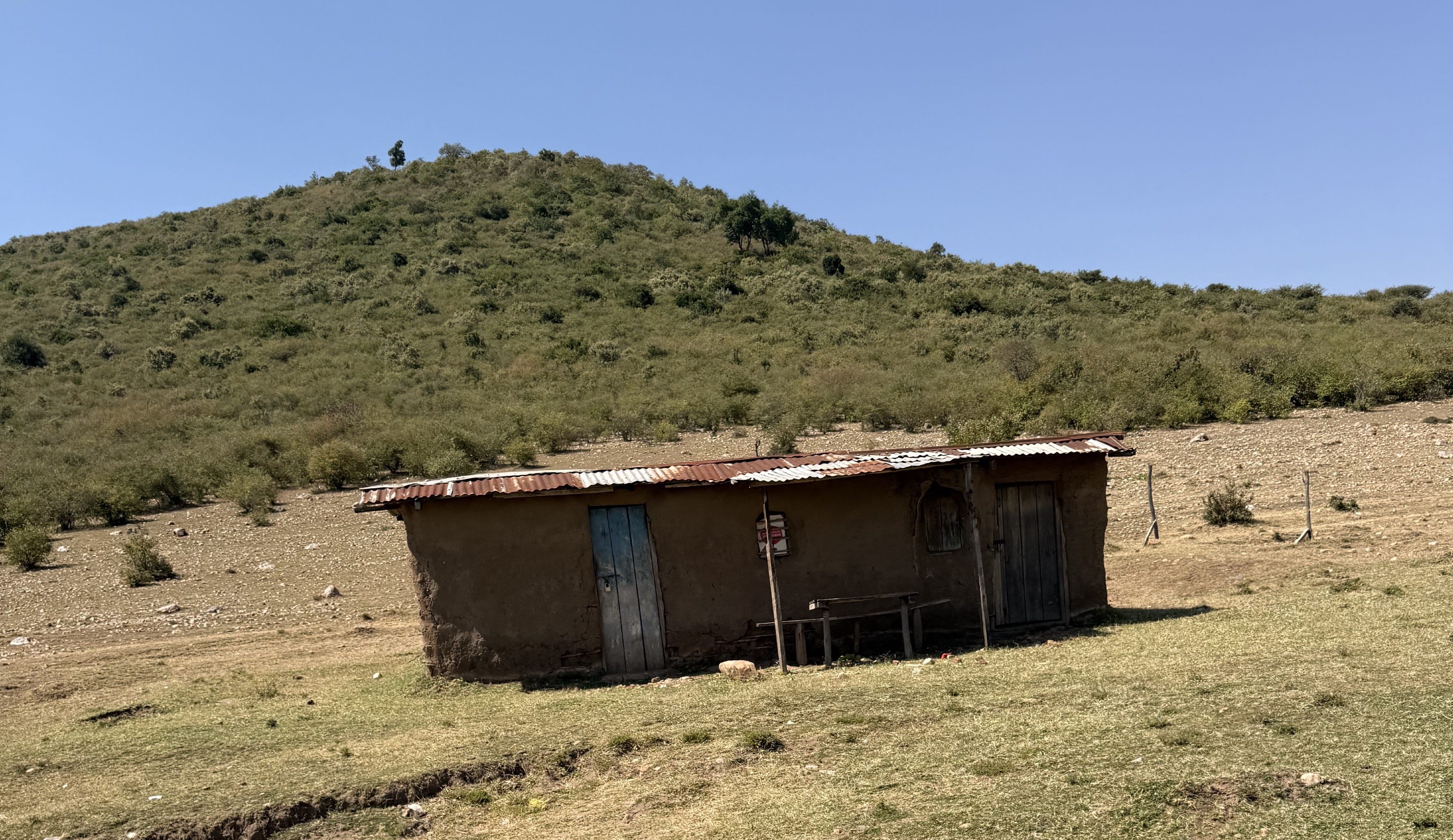
None of it staged, posed, or curated for a reel. Just authentic. Always there. Exactly that far outside the frame I’d have happily called the whole picture.
Not this week, though.
This week, I lived outside the frame.
We visited a primary school where we stepped off the safari trucks like celebrities walking into a stadium of screaming fans. They don’t get visitors often, so they welcomed us like we were the most important people who had ever arrived. Children reaching for my hand, touching my blonde hair, saying my name, telling me they loved me.
They meant it. That’s the part that takes the floor out from under you. The people with the least, giving us all they have to offer. Their time. Their presence. Their hands to hold. Their voices.
We played. We laughed. We had the simple kind of joy, the kind that doesn’t check whether anyone’s watching.
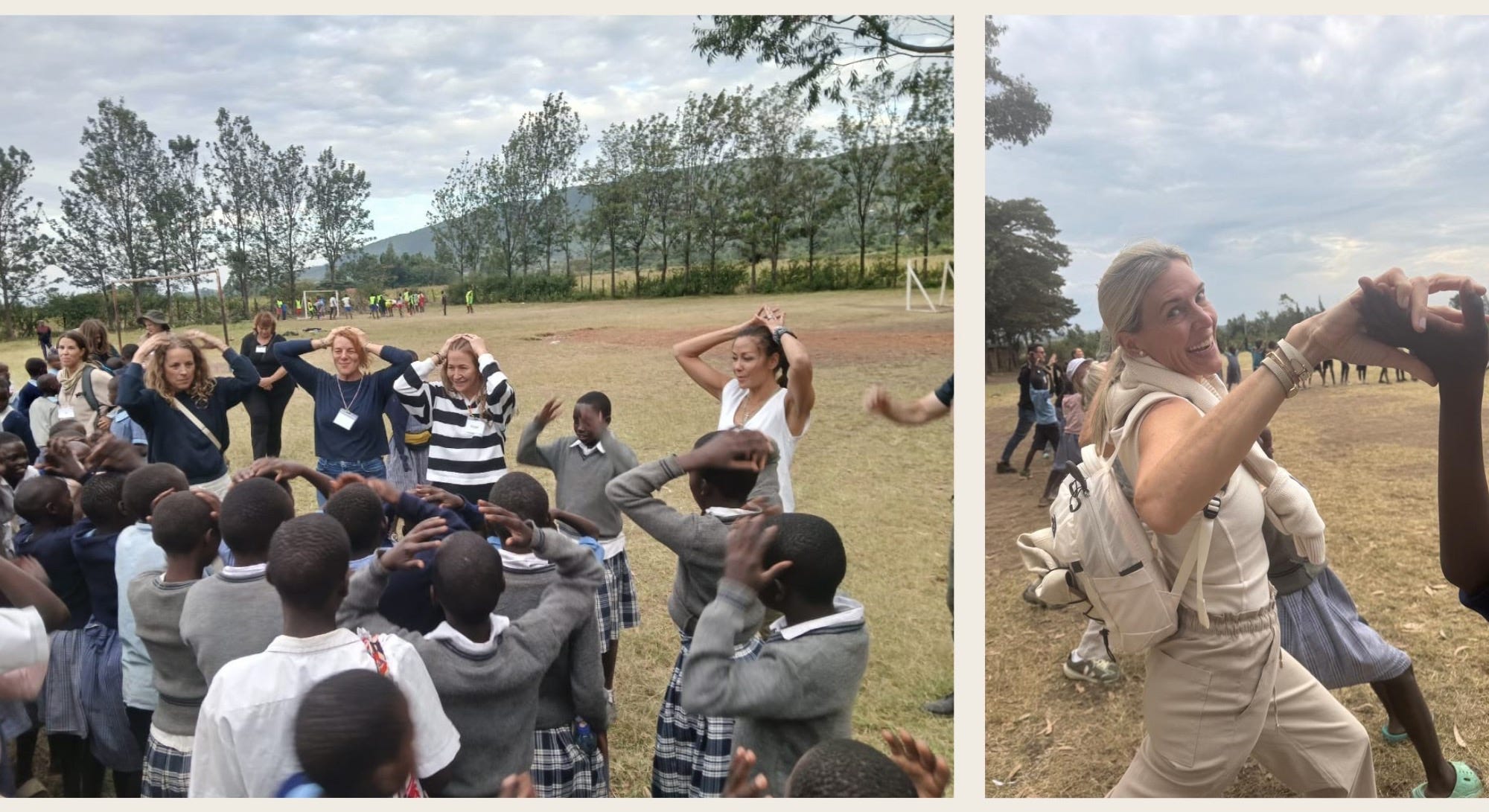
We felt the same fanfare at the local college and high school. Students who are the first in their families to receive an education. Celebrities in their own villages, in their own right. They see education as an opportunity, a means to a new life, for themselves and for the countless family members behind them. Their pride, their joy, their devotion, their determination. If you could bottle it, it would be worth more than anything sold here.
We visited the Kipsigis mamas. Literally the mothers of the community. We met a woman who built her home over eleven years for about a hundred and fifty dollars. I have spent more than that on a Tuesday and could not tell you on what.
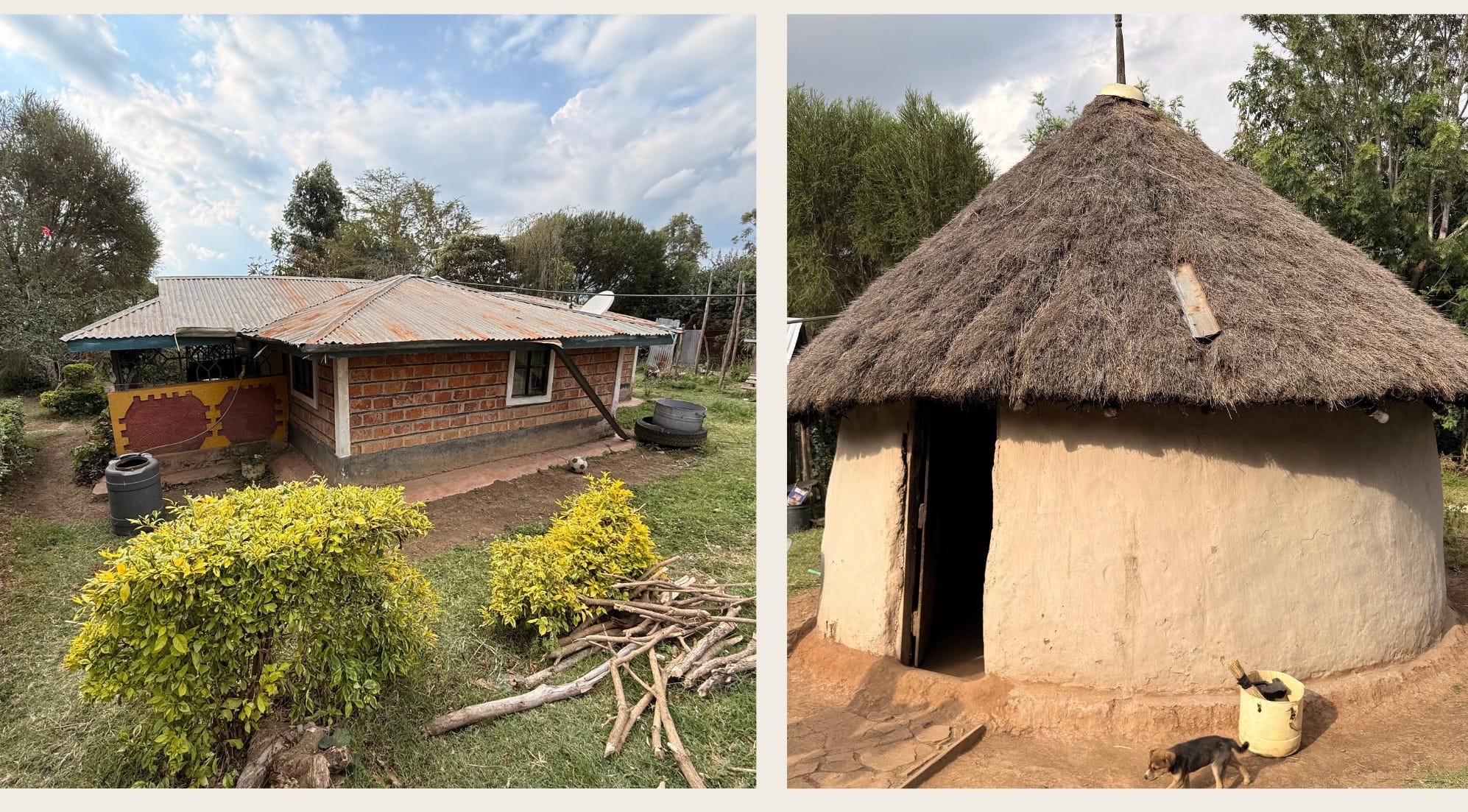
She invited us in. Shared her life. Held the whole room with the story of how she’s transforming her community by empowering the women in it.
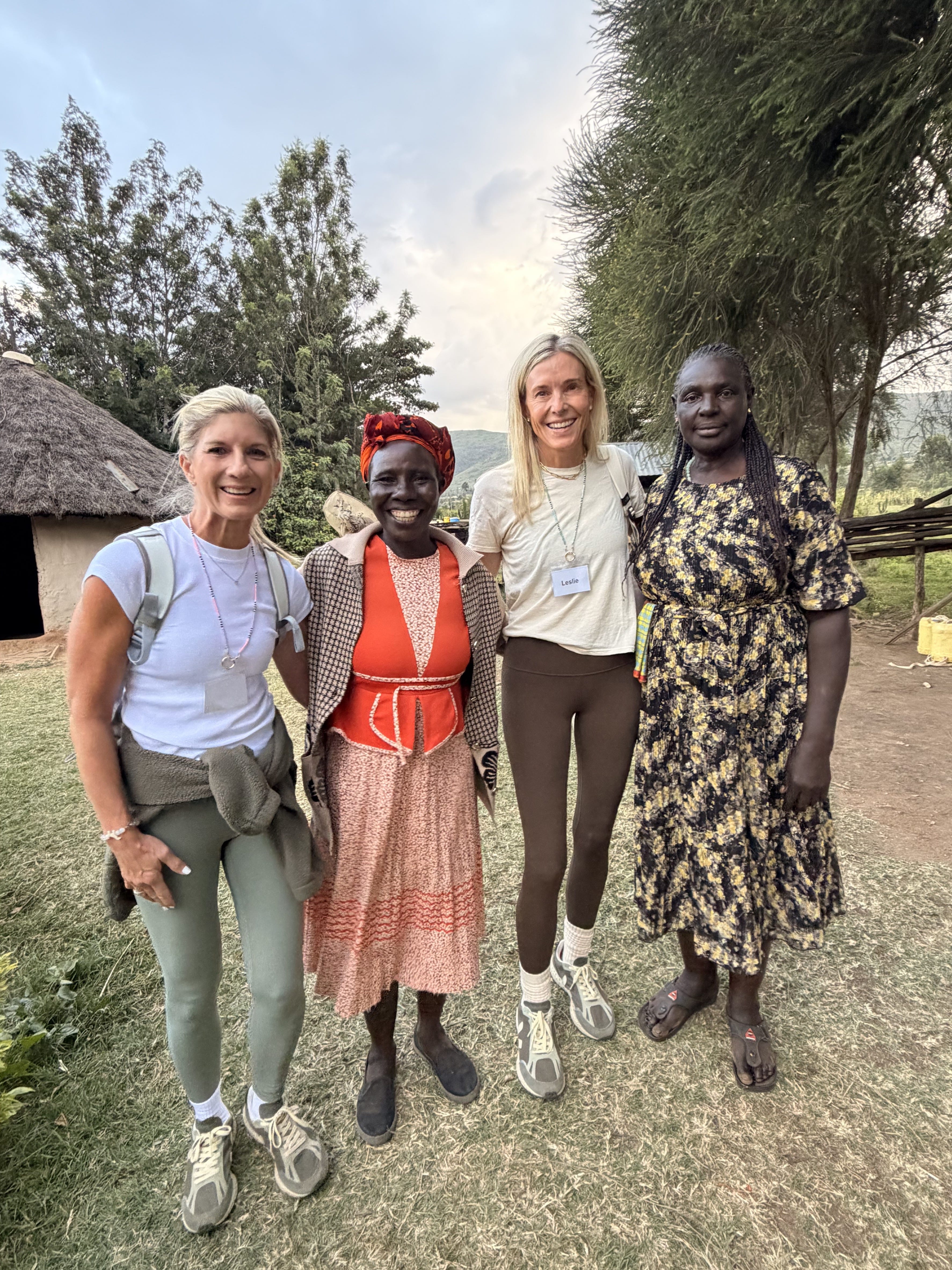
Then she showed us how she lives. We walked down to the river and filled the jugs. The ones they depend on to sustain their lives. Wash their clothes. Cook their food. Water their crops. And care for their livestock.
And the jugs weren’t light. They were fourteen liters (or forty pounds to you and me, which required a Google search and conversion to know). Then, up the hill. With the full jug strapped to my back or wrapped around my head (an option I didn’t take for fear that I would return without a full head of hair).
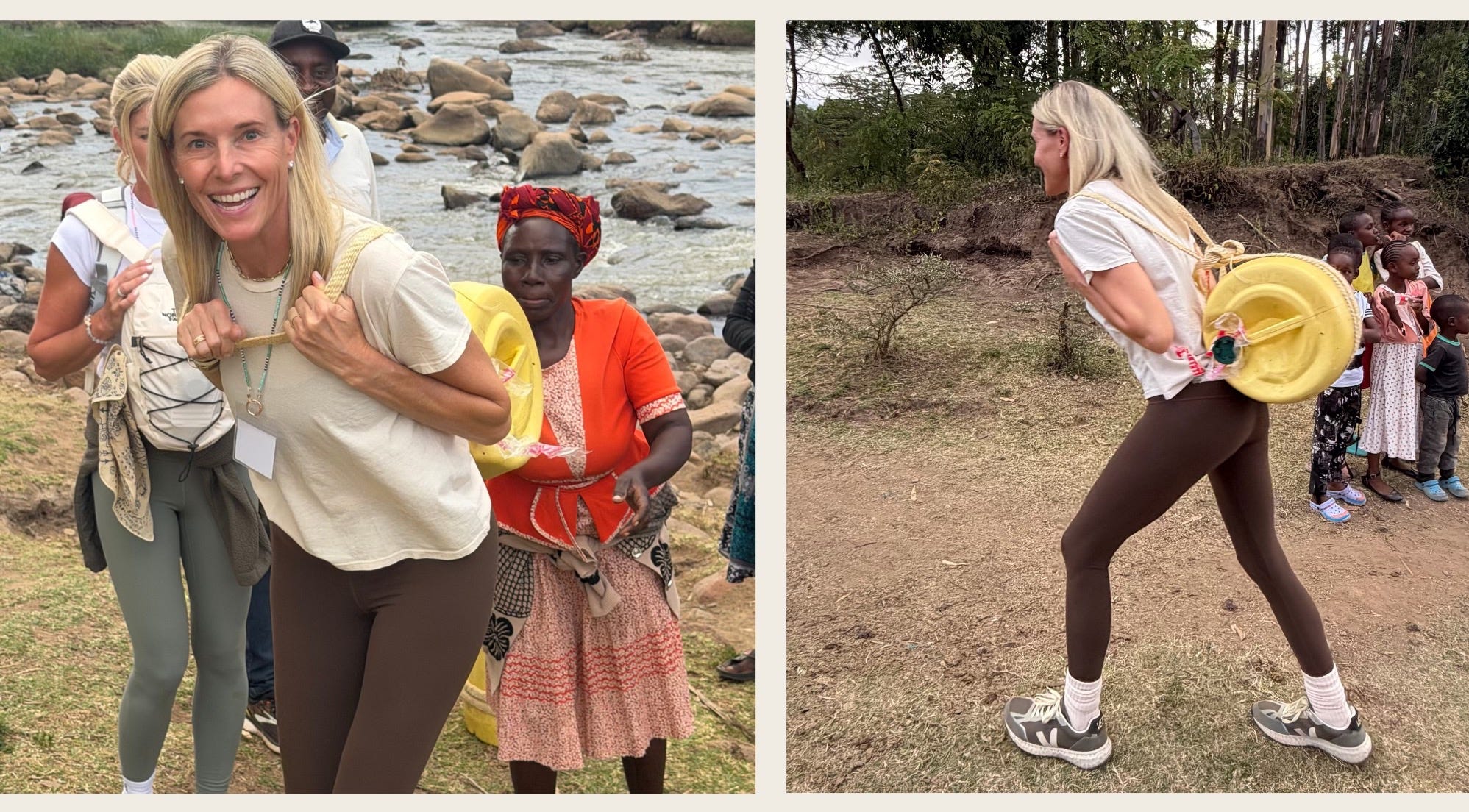
I did it once, as an experience. They do it multiple times a day simply to survive.
I got to put mine down. They cannot.
And there are photos I didn’t take.
Not because I didn’t want to capture the moment. Because the moment captured me, in a way no photo could hand back to anyone later. Some things don’t go through the lens. They go straight in and stay.
The most real hour of my week is the one with no proof it happened.
And then there’s Jackson.
I spent the week with Jackson. A Maasai elder. Warrior, in the way the word actually means here. The last generation to earn it the old way.
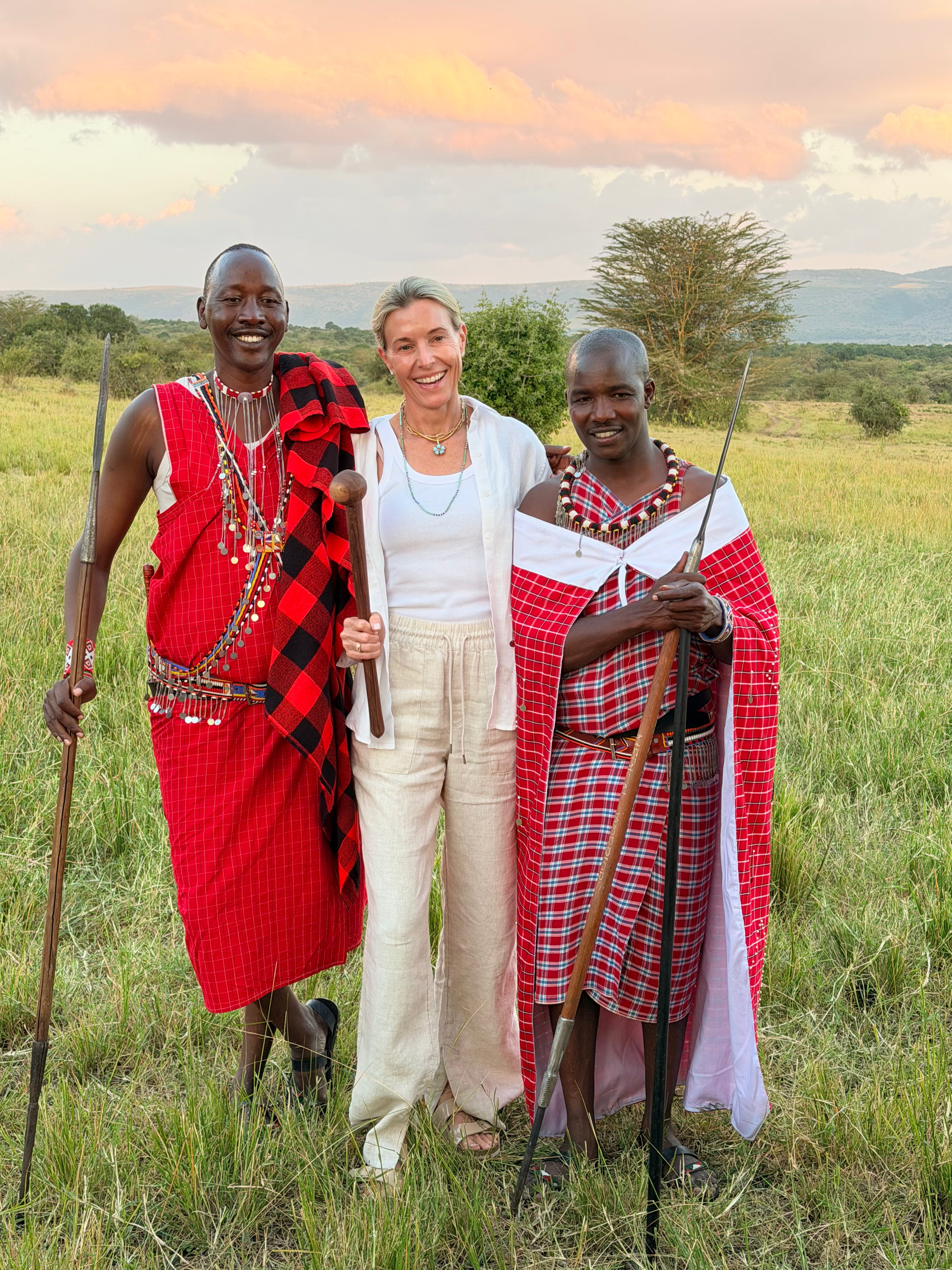
The most obvious and still prevalent telltale sign of a Maasai warrior is a missing front tooth. It’s a visible marker of identity, of beauty, maturity, and belonging. The sign that someone has crossed into adulthood and earned their place in the community. Worn with pride, never hidden. And even if they wanted it back, a dentist is not a profession in the Mara. When that tooth comes out, it’s done by an elder with the tip of a machete. The same one they carry at their waist. The same one that cuts the leaf from the vine, and in a worst-case scenario, the last defense in a wildlife encounter. All of which occur.
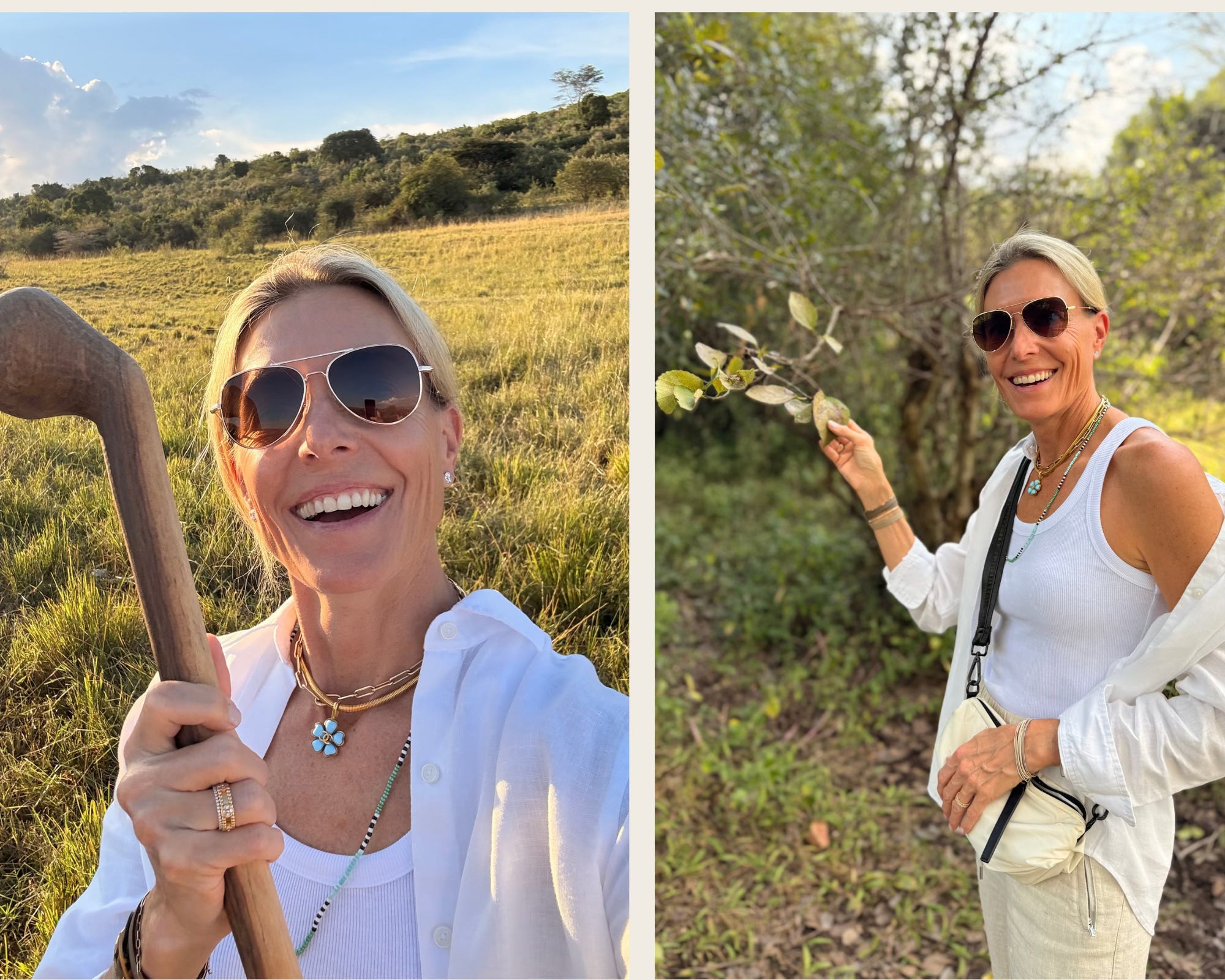
Last night Jackson walked us through the brush. Taught us the weapons. And then, the path. What it has always taken to become a warrior here, and what that path has become.
At fourteen, one of the first rites is a public circumcision. The circumciser’s only job is to make the boy flinch. A blink. A breath. The twitch of a single toe as the blade meets skin, sometimes dull as a kitchen knife, sometimes doused in hot pepper oil. Any movement, and the label follows him and his family for generations. If he holds still, he’s earned it. If he doesn’t, his mother is beaten for raising a weak son.
The other rite was to kill a male lion. Alone. With a spear.
Jackson has killed six.
He told us this himself, at dusk, in the brush he’s known his whole life. Not as a performance. As a path. One he then explained has since been retired. The lions are protected now. And the change made room for something else: girls can become warriors too. And I met one, a she-warrior. I only knew she was a warrior by her tooth. The proving ground is no longer killing a lion. It’s education. The reward is still a cow. It remains the most prized gift and family possession. And one they work hard to achieve.
I keep thinking about who Jackson is in a safari photo. The silhouette. The red shuka against the sky, the figure the Mara prints on its brochures.
Every piece Jackson wears tells a story about identity, age, status, and community. His shuka, beadwork, jewelry, sandals, staff, and spear. What you do not see among them is his pen. Jackson co-authored a book, The Last Maasai Warriors, and he’s wielding the pen as purposefully as he once wielded the spear, toward something harder to win.
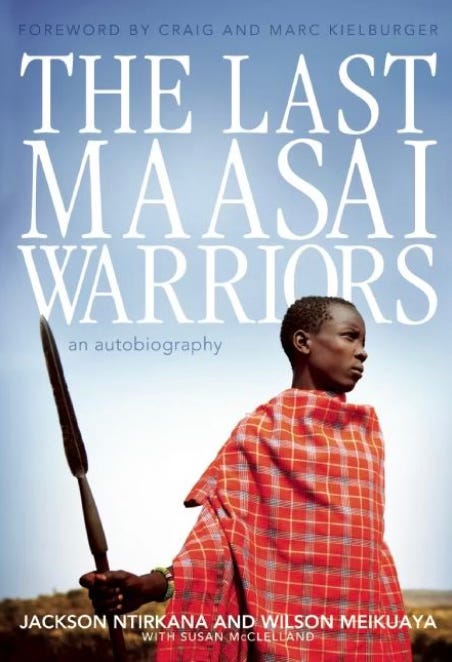
He and his fellow elders are rewriting a playbook as old as the land itself. Not to be photographed. To be heard. To change the landscape into one where girls become warriors through school instead of survival. Where women have a voice, earn a living, carry it back to their communities. Where there’s infrastructure, and health that’s tended, and clean water that doesn’t cost a mile uphill. Where there’s food.
The spear protected the old world.
The pen is building a new one.
And he didn’t hide any of it from us. None of them did. They didn’t keep their half of the Mara outside the frame. They invited us in, so that we might help carry the voice out. So that when the world looks at Kenya, it sees something that makes it pause instead of scroll. Something that connects the dots between the beautiful moment and what it costs to make that moment possible.
A community’s survival, underneath the postcard.
I don’t know what to call the week.
On paper it was a retreat. That’s what I booked. That’s what I paid for. It wasn’t a mission trip. It wasn’t a training. And I won’t shrink it by calling it a cultural immersion, or a life-changing experience, though I suppose it was both. Those words are too small.
I still don’t have the word for it. And maybe that’s okay. Maybe it’s enough to know this half of the Mara exists. And to know that the half I came for, the five-star luxury one, isn’t at odds with it. It’s welcomed. Because it offers the Maasai what they need to build their new world.
What I do know is what Mara authenticity looks like now. And it’s not in any brochure.
The curated bag is me. Authentically me. Every considered, labeled, occasion-matched piece of it. I packed for the trip I thought I was taking.
The Mara didn’t stay in its category.
I’m writing this en route to the half I came for. The Instagram-worthy one. I’ve learned there are two real times to see the Big Five, the animals everyone comes for: dawn and dusk. My next stop has it all teed up, curated and certain, the animals practically waiting in the wings. I won’t pretend I won’t love every frame.
Both are true. The woman with the curated bag and the one who carried the water a mile uphill. I’m not choosing between them. Jackson is the reason I don’t have to.
And tomorrow at dawn, a hot air balloon. It will lift me up and show me how vast this land is. How far apart two lives can sit on the same stretch of ground. The divide between where I was this week and where I’ll be an hour from now, measured in a single ride.
I’ll be looking down at both halves at once.
But the thing I can’t stop turning over isn’t ahead of me. It’s Jackson, riding shotgun.
Two hours from Bogani to the five-star camp, he stayed on as our guide, watching the road, keeping us safe, all the way into the half of the Mara I came for. The same spear that killed six lions, now clearing the bush bathroom of wildlife before we stepped in. Trust me, two hours on those roads requires a pit stop or two. Behind a tree or not, it’s a necessity at 52.
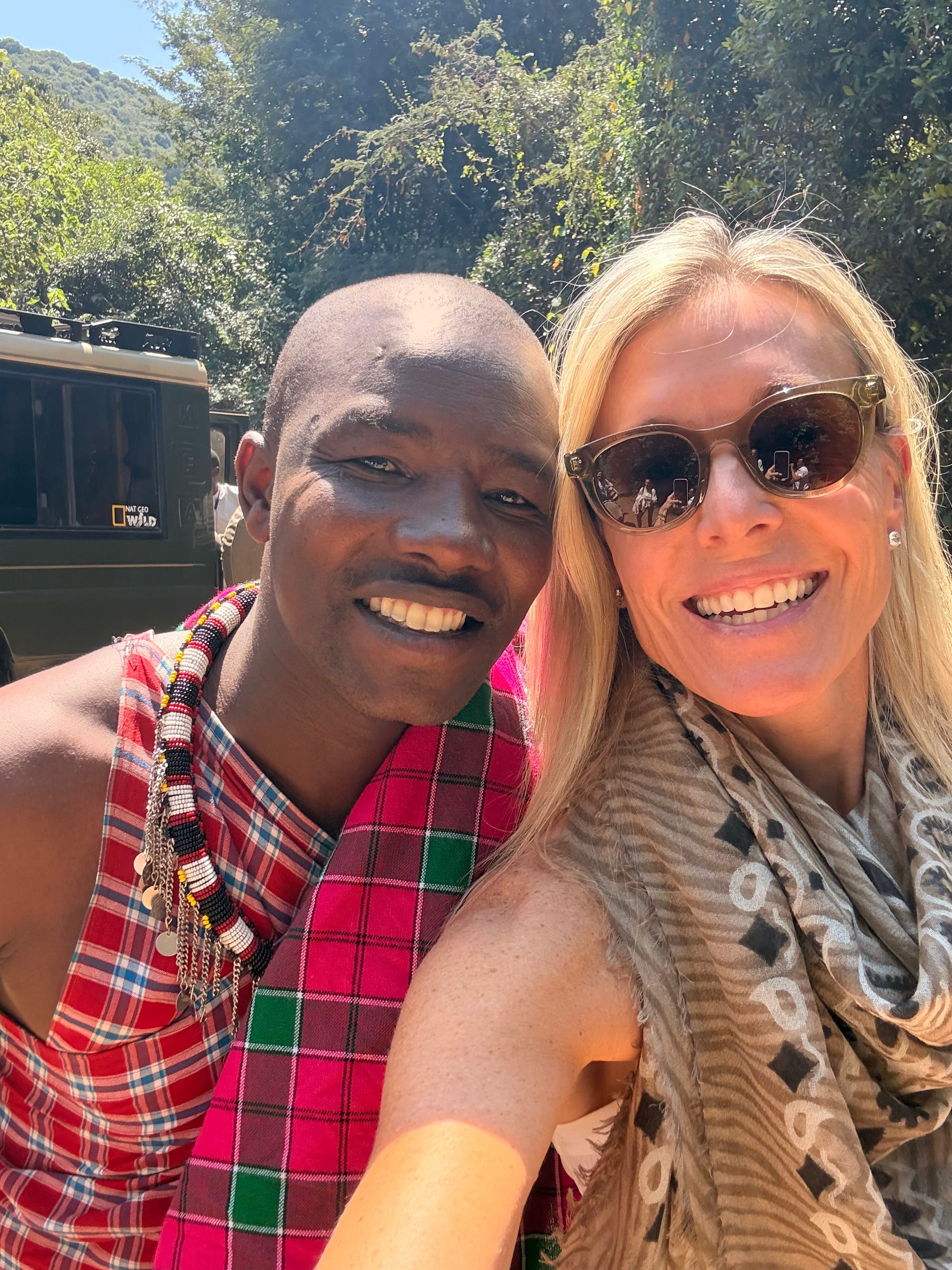
He has every reason to resent this half. The luxury. The lens. The version of his homeland that gets sold while his people carry water up a hill.
He doesn’t.
He loves it. All of it. He knows this half feeds his land and his people, and he embraces it the way he embraces the rest, with joy, with wonderment, with both halves held easily in the same two hands that have thrown a spear and now hold a pen.
I spent a week learning I didn’t have to choose between the woman with the curated bag and the one who carried the water.
The man with the most reason to choose was sitting beside me the whole time.
Choosing both.
Still.
Always EDITing, Leslie
P.S. - Part two is the half I came for. The luxury. The Big Five at dawn and dusk. The frames I won’t pretend I won’t love. Coming next.
And part three. Aline. Through Africa Yoga Project, I spent three years mentoring a young teacher in Rwanda. We’ve never met in person. In a few days, we will. Everything else on this trip, I packed for. Her, I can’t. That moment will come with emotion that will require its own version of unpacking. That one gets its own Edit.
Follow along for each new article.
Your thoughts are welcomed and my favorite thing to read.
Please share. It’s the greatest honor.
Very well done, L.!
This experience has touched you and will stay with you forever. Keep us posted on Jackson and the others! What an amazing story.
Some journeys change the landscape in front of us. Others quietly change the landscape within us. This feels very much like the latter. X