

In a few hours, I’m going to hand over my phone and walk away without it for seven full days. My computer and iPad too.
I’ll be unplugged. Unconnected. Unavailable.
Growing up in the ’80s, I spent hours playing in the neighborhood without anyone knowing exactly where I was. I never would have imagined that being unreachable for seven days would feel like I’m planning my own demise, but somehow it does.
My daughter won’t be able to get ahold of me for seven full days.
I keep thinking about that.
In college, I lived in China. No one could get ahold of me. Sometimes for weeks. Communication happened by fax. A phone call wasn’t something we expected. Sometimes it wasn’t even possible.
And yet here I am, decades later, staring down seven days of being unreachable as though I’m making some monumental exit from the world.
This isn’t an article about being dependent on technology.
Or maybe it is.
I’m still trying to untangle the web of cords and chargers and passwords and codes that seem to have become strings attached to me.
Some of this is choice. Actually, all of it is. But if I were choosing from an à la carte menu, I don’t think disconnection would make my list.
This isn’t that kind of program.
Disconnection is part of the deal.
I couldn’t be more excited. I couldn’t be more ready.
And yet this part terrifies me.
It wasn’t until I reread these words, en route to the program, that I realized there may be something much bigger underneath that fear.
I took the last phone call my late husband ever made. He was thousands of miles away at our home in Naples while I was at our home in Ohio. I knew something was wrong, so I kept him on the phone with me while help made its way to him.
A spontaneous brain bleed took his speech. Three weeks later, it took his life. He never made another phone call.
He called me because he knew something was wrong. So yeah, I know what it feels like to answer a call that changes everything.
Perhaps that’s part of what makes the idea of being unreachable feel so much bigger than simply turning off my phone.
Of course there’s an emergency line. My family knows how to reach me if they truly need me. We’ve even defined the parameters of what an emergency looks like.
But what if someone needs to reset a password and the code comes to my phone? Because that actually occurred last night.
What if they need access to something that requires me?
What if someone needs something only I know how to get?
Or worse yet, what if I had missed that call?
There it is.
Maybe that’s the part I’m actually afraid of.
Not being without my phone.
Being unavailable.
I feel responsible for making sure everyone else has what they need. And as I prepare to disappear for seven days, I’m beginning to wonder how much of that responsibility is actually mine.
They can figure it out.
At least I think they can.
Maybe I’m the one who needs to figure out what happens when I’m no longer immediately accessible, useful or available.
And maybe you don’t need to disappear for seven days to ask yourself the same question I’m asking myself:
What do I believe will happen if I make myself unavailable?
If I don’t answer the text immediately.
If someone has to solve the problem without me.
If I’m not the keeper of the password, the calendar, the answer or the plan.
If I let someone else figure it out.
I’m beginning to wonder whether being constantly available has become so intertwined with being responsible that I no longer know where one ends and the other begins.
For the next seven days, I’m going to find out.
Always EDITing,
Leslie
P.S. While I may be out of pocket, I made sure I wouldn’t disappear from here entirely. I have a week’s worth of work coming your way, including an article that may piss you off or make you excited. You’ll have to let me know which. Look for it Thursday.
In the meantime, please leave me a comment. I look forward to coming back, reading them and responding. It’s truly a part of Substack that I’ve come to love: the connection and the community.
If you’re new here, welcome. I’m Leslie.
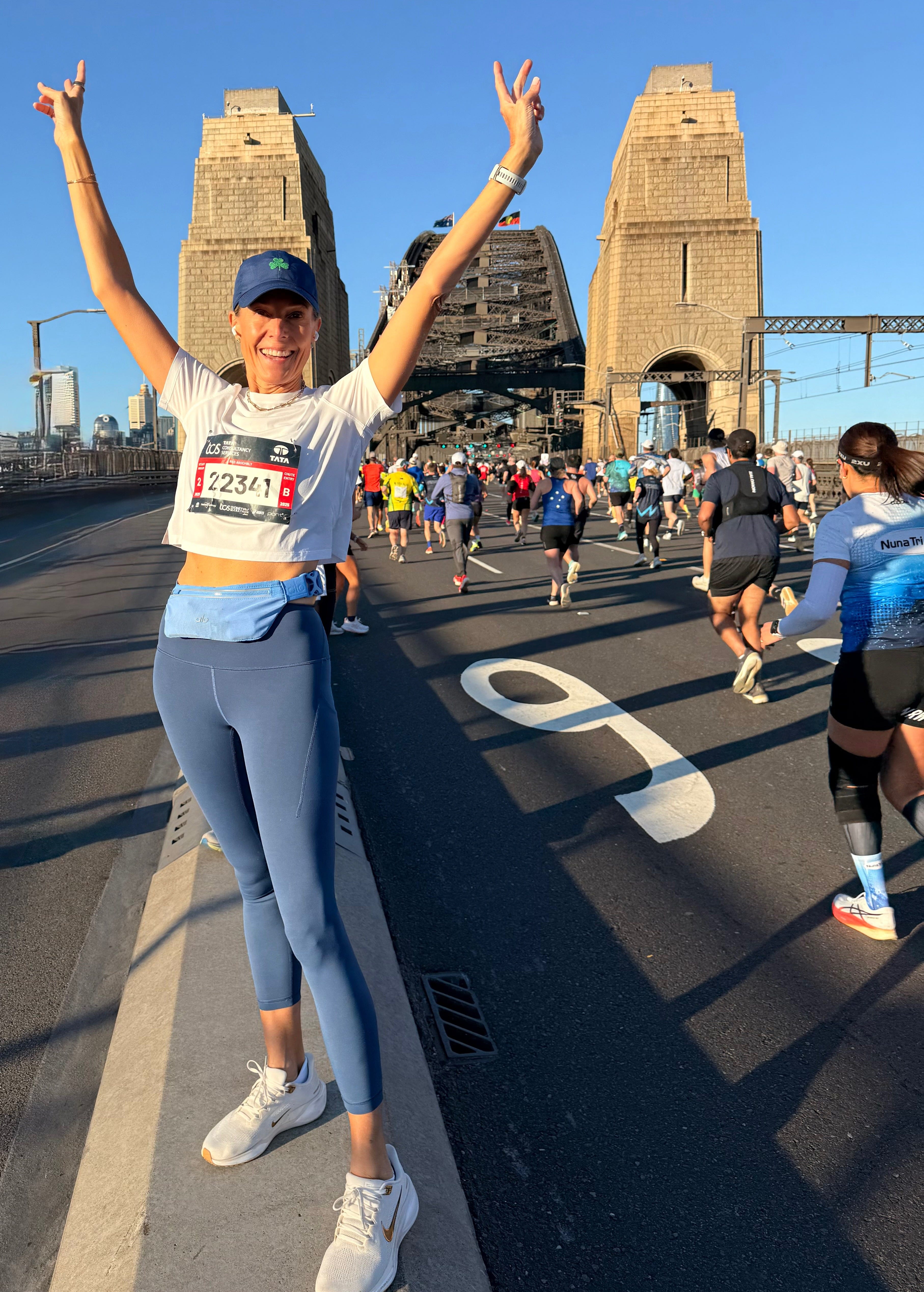
I became a runner later in life, ran ten marathons, then left my running shoes behind in Australia last year and started writing instead.
I became a widow at 49, recently remarried the most remarkable human, travel every chance I get, and am deeply curious about health and longevity, relationships, ambition and how we choose to live. I also like the finer things in life and make no apologies for it.
I write from experience and about what matters to me in the moment. I’ll offer perspective from my non-linear life, ask questions that may make you pause and never gatekeep a new favorite find or a great idea.
I want to be remembered as someone who helped others across the finish line, built community, offered guidance when it was needed and, perhaps most importantly, lowered everyone’s cortisol.
Join me. I’d love to have you.
More of my recent work:
How to Write a Personal Essay Without Overexposing Your World

As an essayist, the hardest moment is when I hit publish. I wish I were the kind of person who could walk away from my computer without wondering how what I wrote will land. Will someone like it enough to subscribe? Will someone else dislike it enough to leave? Both happen, time and time again.
All the best re this experiment/experience! I’m sure you will journal this, and it will be interesting to hear your thoughts.🌷